Traces of War - The Fallen
It now is one year ago that I have made a trip to the Channel coast in the north of France to follow the Atlantic Wall, build by the Germans during WW2, until L’Orient in Brittany.
Until 2022 war was a word that we used in history lessons or news from abroad. But since 2022 war came close to us here in central Europe. Not (yet) here but not far away anymore and after nearly 5 years of war in the entire Ukraine many of us began to think and to discuss in a new way about war.
My parents were born in the first decade after WW2. And when collecting parts of the history of my family, mainly my grand parents from my father’s side, I often try to imagine life in the early post war time in Europe.
My grandfather returned after more than 3 years from prison of war in Russia.
Expellees in their Homeland (their former home is now situated in Czech Republic and expulsion was as cruel as everything that happened during the war time in Europe) the rebuilt their lives after 1948. What happened before this moment of personal and social reconstruction never was a topic to discuss with my grand parents, I was too young to be interested in this at the times when they were still alive and as my dad also passed away some years ago its too late to pick up the mosaic stones of my grand parents’ lives.
I think for us, not living in war, it is still nearly impossible to imagine the dimensions of war, especially a world war. In order to get a glimpse of this dimension I decided to spend a week in the North of France and walk on the beaches of Normandy where the fate of history began to change with the human sacrifice of D-Day.
My way from Switzerland to the Channel Coast led me through the region of Verdun. This region in Europe has been the venue for intense battles during both world wars. Some zones are still red zones, not possible to rebuild villages or practice agriculture. Nature claims back those acres of land and trees grow over small and huge bomb craters.
By chance I found a German military cemetery from WW2 just five kilometres east of the small country road that took me north. It was the German Military of Andilly. This was the first real encounter with the traces of war.
It was a beautiful late summer day and I spent more than an hour strolling across the lines of grey stone crosses. Each cross was engraved with 6 names (or „*unknown german soldier“). I found it a ironic that the compact shape of the crosses resemble grey uniformed soldiers all well aligned for a last eternal Parade.
When looking at the tomb stones of these roughly 45000 lost souls I stated that many of them were just 18 years old when they died.
In a last attempt of resistance the Reich sent thousands of teenagers to the slaughterhouse.
But there were also these many unknown soldiers that touched me deeply. So many families had no certainty of the fate of their fathers, sons, uncles in the first decade after the war was finished.
At the bottom of one grave stone was placed a laminated had written card: „Unfortunately we never had the chance to meet. But at least you were blessed to know that I exist. In love, your son Willi. Born 19.07.1944“.
His father died a few weeks after is son’s birth. And the war still had to fought for more than half a year until the capitulation of The Reich.
I stood in front of this tombstone for minutes and had some tears in my eyes. I imagined the 45’000 other families that have been broken by the war. And this is only one of so many military cemeteries. Millions of families all over the world who had to send their husbands & sons to a war that would never had been their decision to begin. History is cruel and so can be humans.
I think it is important to estimate the dimension of war when we discuss in our current days about peace and security. Freedom is worth being defended. And regaining freedom costs unimaginable human sacrifice.
It now is one year ago that I have made a trip to the Channel coast in the north of France to follow the Atlantic Wall, build by the Germans during WW2, until L’Orient in Brittany.
Until 2022 war was a word that we used in history lessons or news from abroad. But since 2022 war came close to us here in central Europe. Not (yet) here but not far away anymore and after nearly 5 years of war in the entire Ukraine many of us began to think and to discuss in a new way about war.
My parents were born in the first decade after WW2. And when collecting parts of the history of my family, mainly my grand parents from my father’s side, I often try to imagine life in the early post war time in Europe.
My grandfather returned after more than 3 years from prison of war in Russia.
Expellees in their Homeland (their former home is now situated in Czech Republic and expulsion was as cruel as everything that happened during the war time in Europe) the rebuilt their lives after 1948. What happened before this moment of personal and social reconstruction never was a topic to discuss with my grand parents, I was too young to be interested in this at the times when they were still alive and as my dad also passed away some years ago its too late to pick up the mosaic stones of my grand parents’ lives.
I think for us, not living in war, it is still nearly impossible to imagine the dimensions of war, especially a world war. In order to get a glimpse of this dimension I decided to spend a week in the North of France and walk on the beaches of Normandy where the fate of history began to change with the human sacrifice of D-Day.
My way from Switzerland to the Channel Coast led me through the region of Verdun. This region in Europe has been the venue for intense battles during both world wars. Some zones are still red zones, not possible to rebuild villages or practice agriculture. Nature claims back those acres of land and trees grow over small and huge bomb craters.
By chance I found a German military cemetery from WW2 just five kilometres east of the small country road that took me north. It was the German Military of Andilly. This was the first real encounter with the traces of war.
It was a beautiful late summer day and I spent more than an hour strolling across the lines of grey stone crosses. Each cross was engraved with 6 names (or „*unknown german soldier“). I found it a ironic that the compact shape of the crosses resemble grey uniformed soldiers all well aligned for a last eternal Parade.
When looking at the tomb stones of these roughly 45000 lost souls I stated that many of them were just 18 years old when they died.
In a last attempt of resistance the Reich sent thousands of teenagers to the slaughterhouse.
But there were also these many unknown soldiers that touched me deeply. So many families had no certainty of the fate of their fathers, sons, uncles in the first decade after the war was finished.
At the bottom of one grave stone was placed a laminated had written card: „Unfortunately we never had the chance to meet. But at least you were blessed to know that I exist. In love, your son Willi. Born 19.07.1944“.
His father died a few weeks after is son’s birth. And the war still had to fought for more than half a year until the capitulation of The Reich.
I stood in front of this tombstone for minutes and had some tears in my eyes. I imagined the 45’000 other families that have been broken by the war. And this is only one of so many military cemeteries. Millions of families all over the world who had to send their husbands & sons to a war that would never had been their decision to begin. History is cruel and so can be humans.
I think it is important to estimate the dimension of war when we discuss in our current days about peace and security. Freedom is worth being defended. And regaining freedom costs unimaginable human sacrifice.
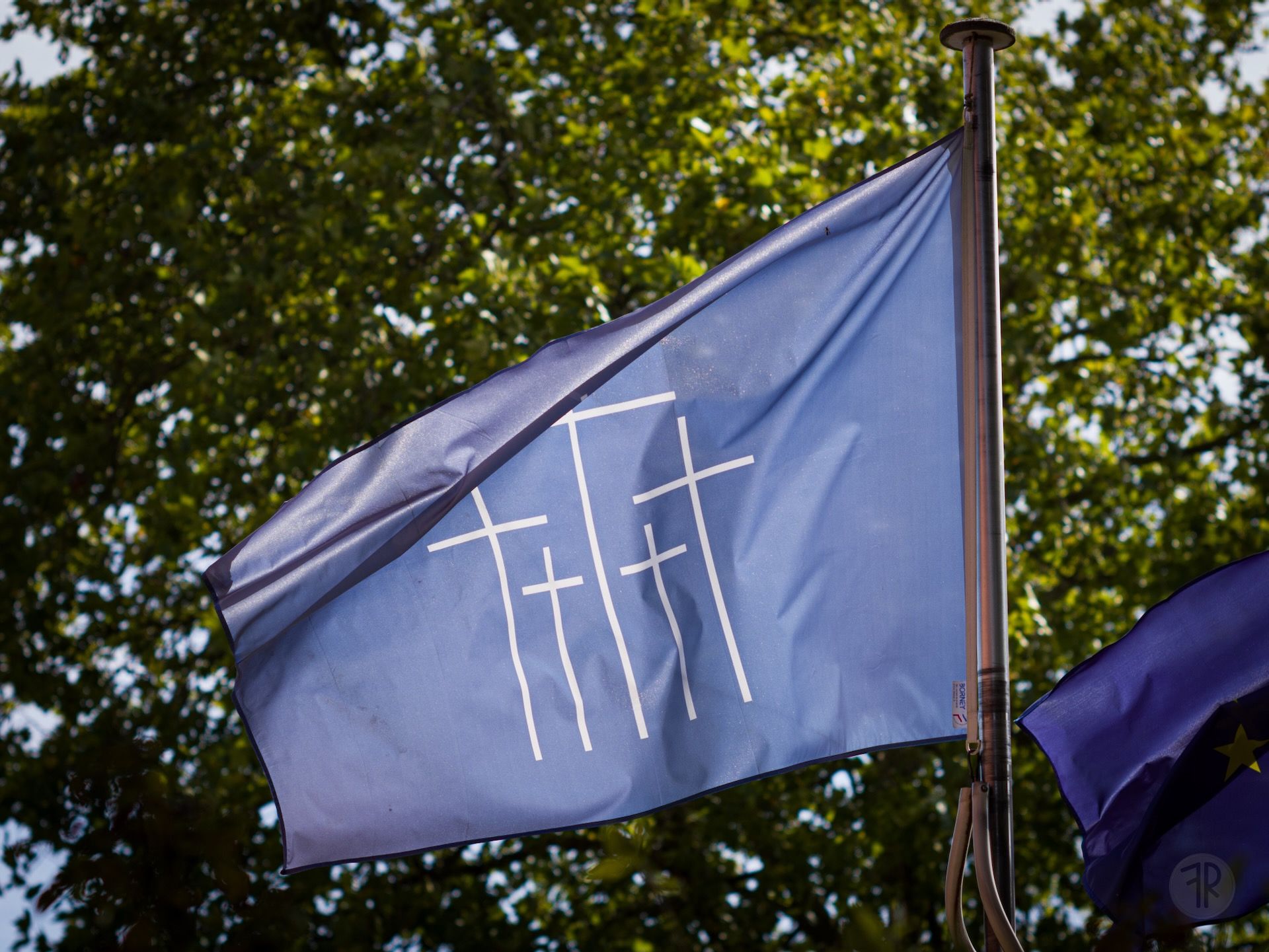
German Cemetery Andilly 1
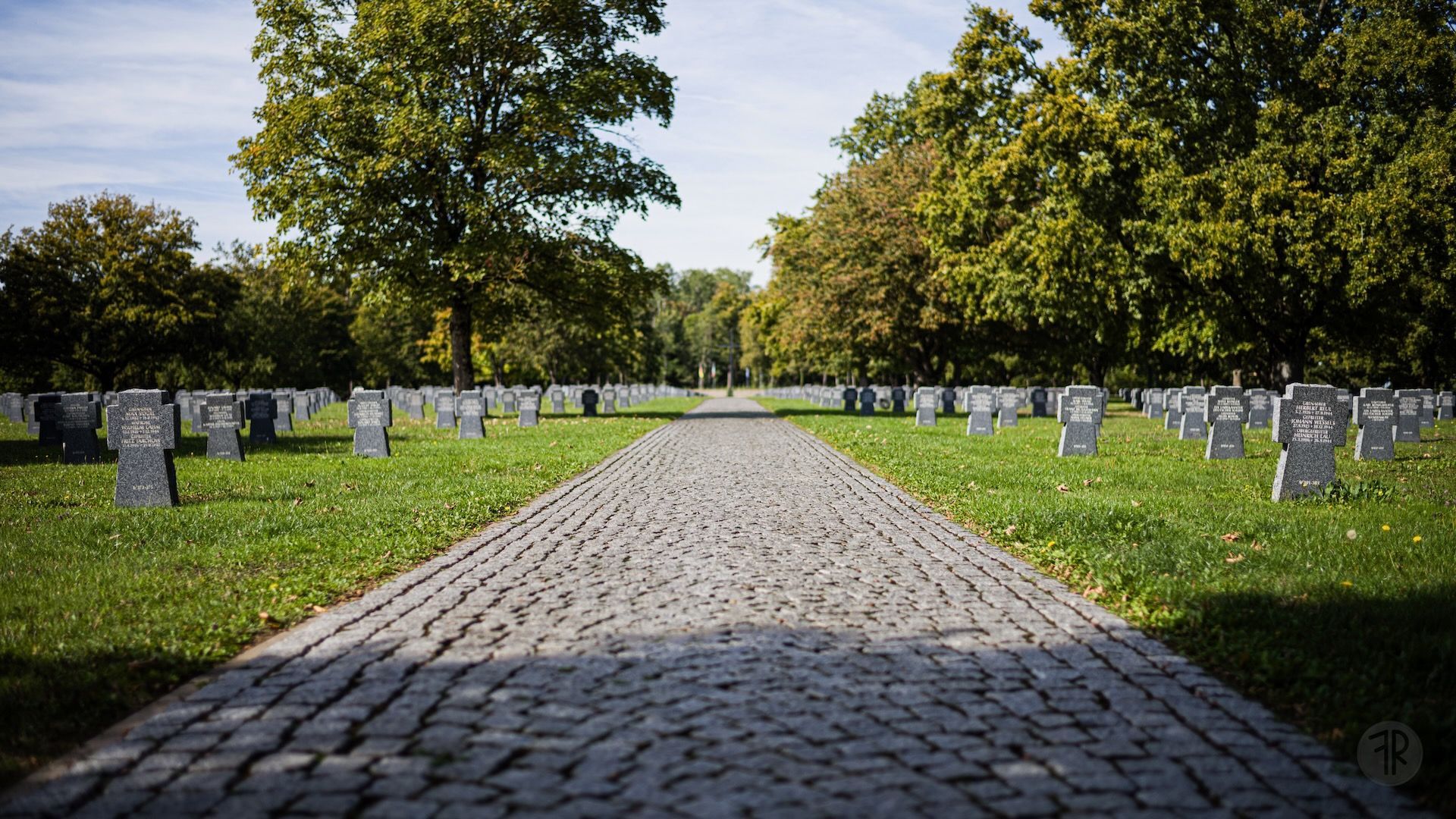
German Cemetery Andilly 2
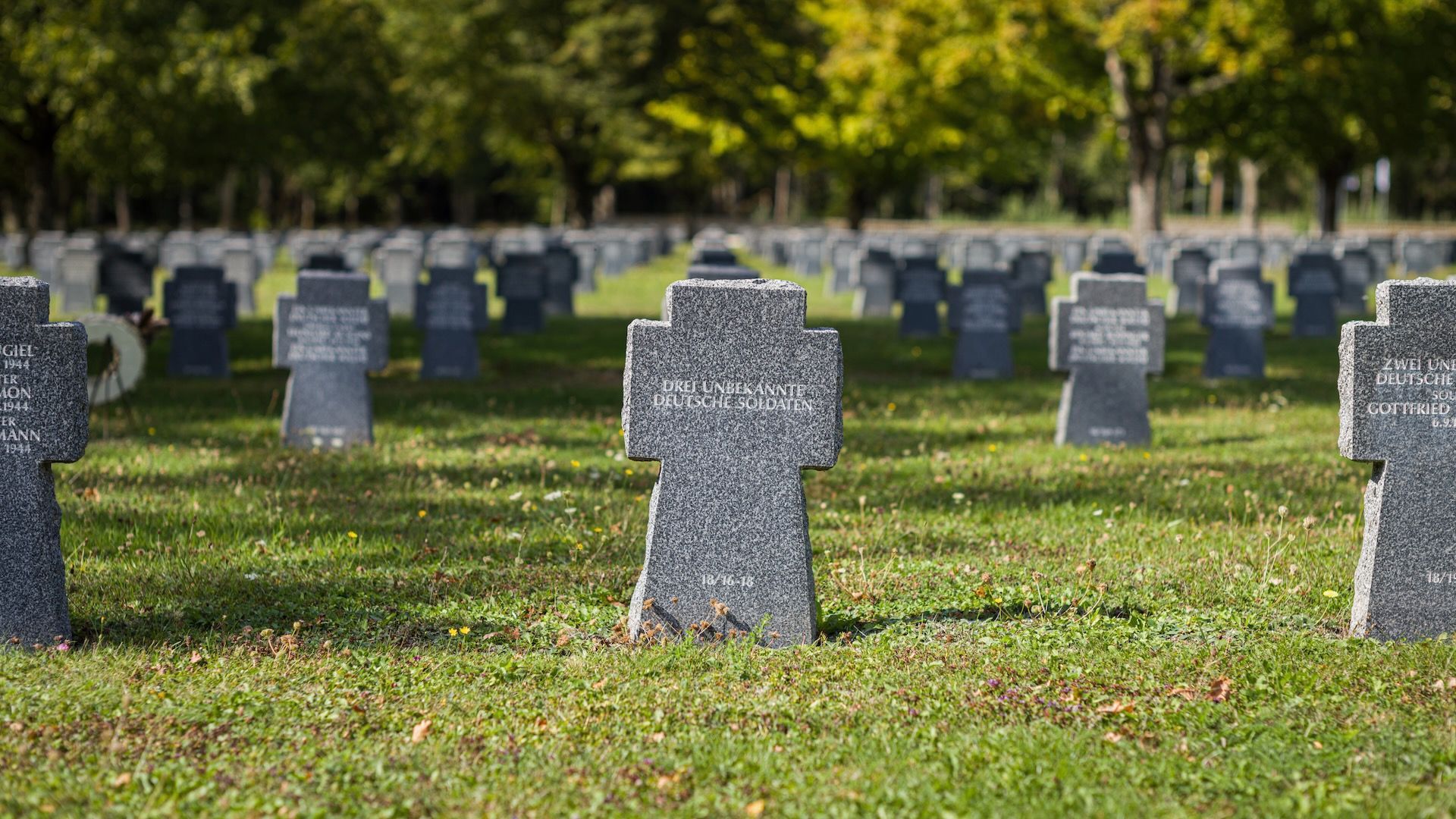
German Cemetery Andilly 3
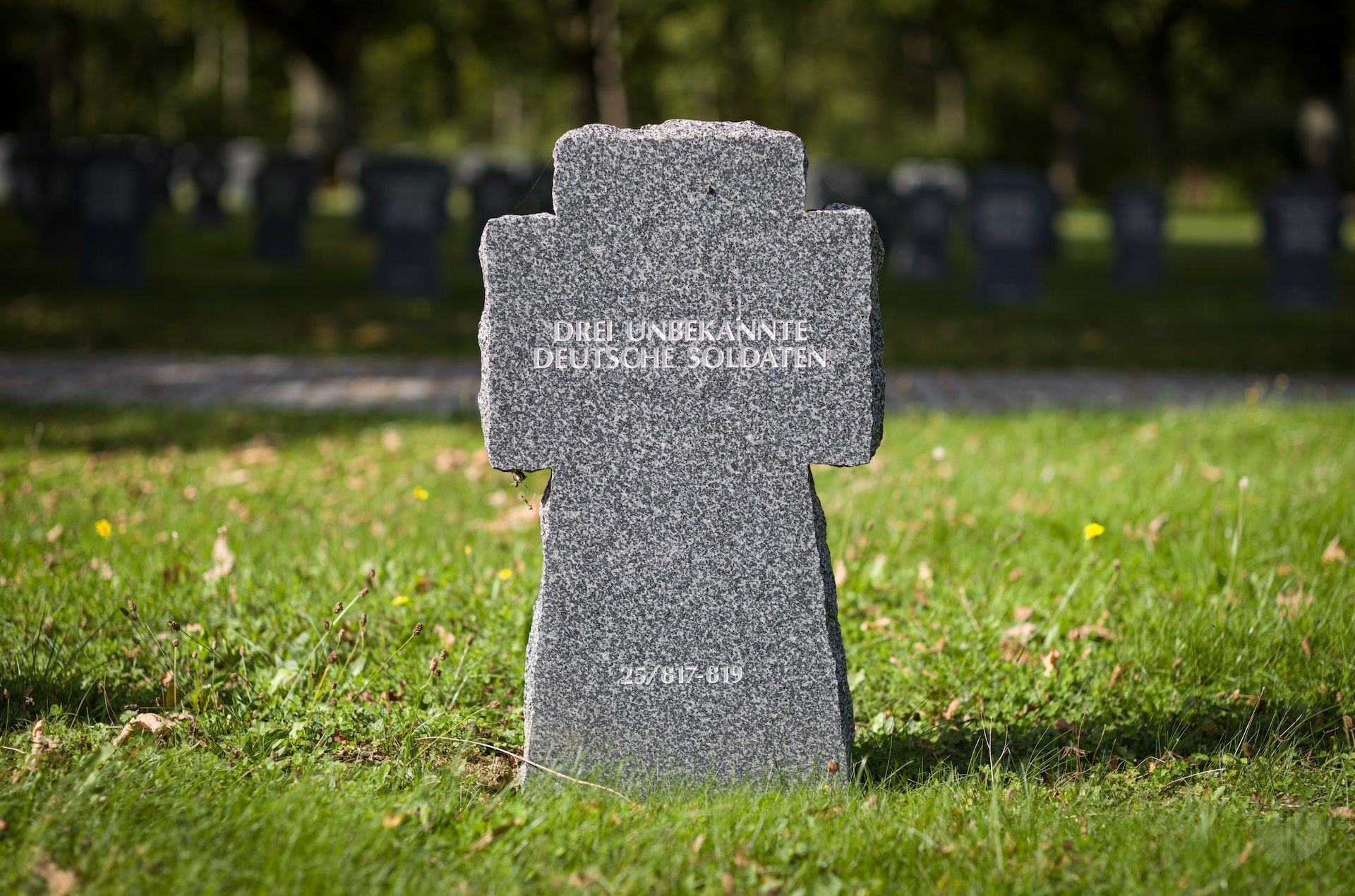
German Cemetery Andilly 4
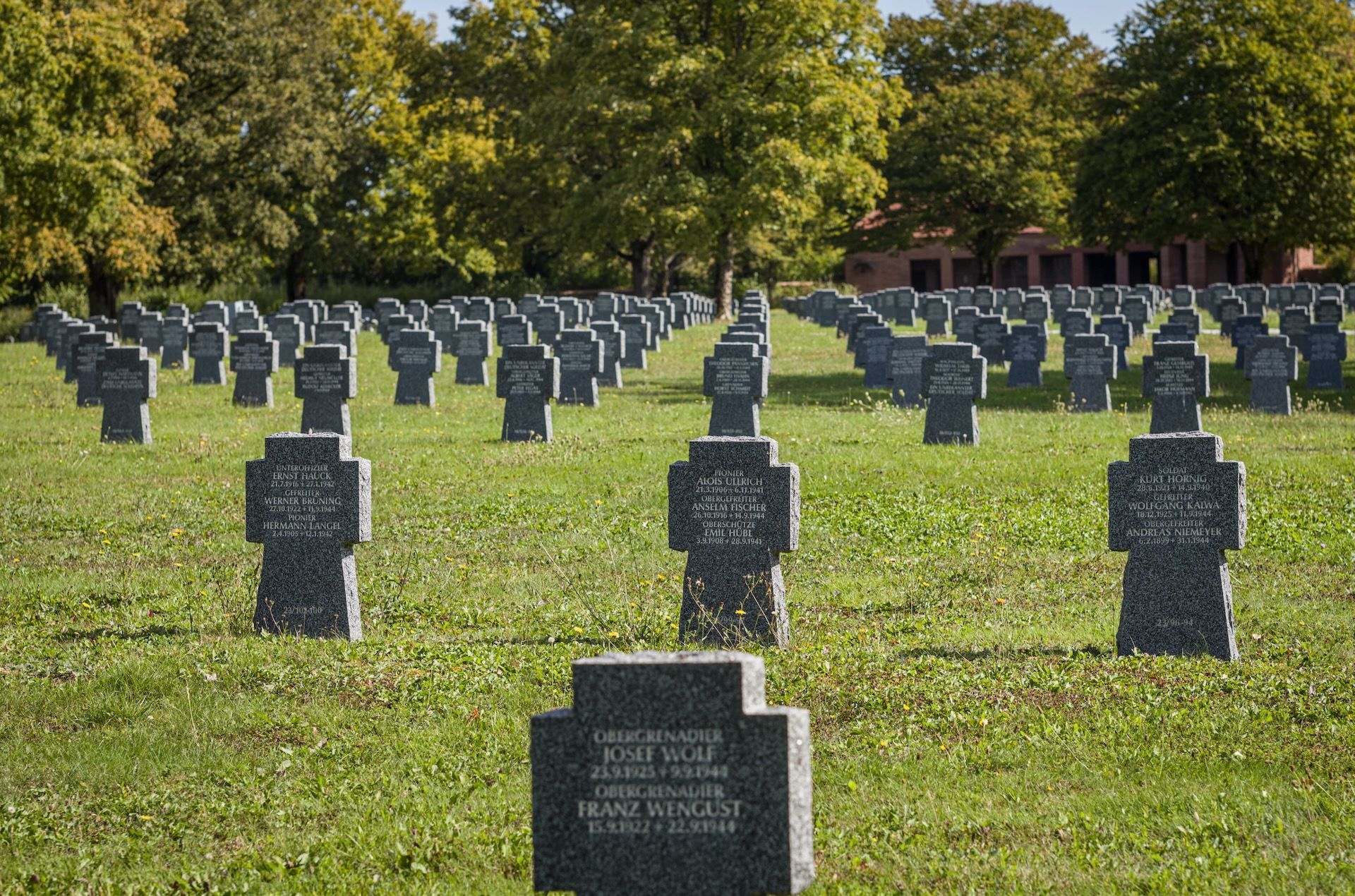
German Cemetery Andilly 5
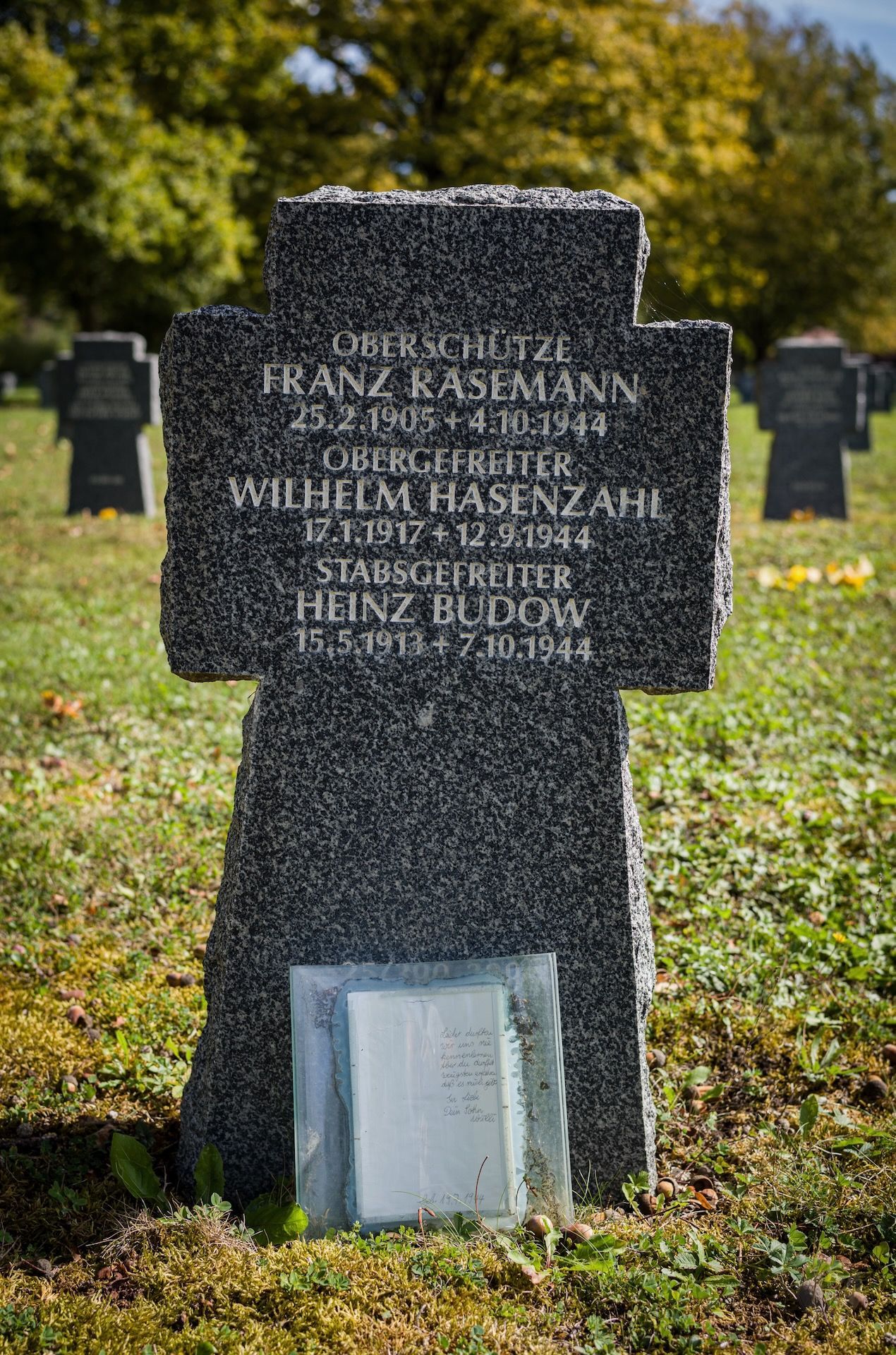
German Cemetery Andilly 6
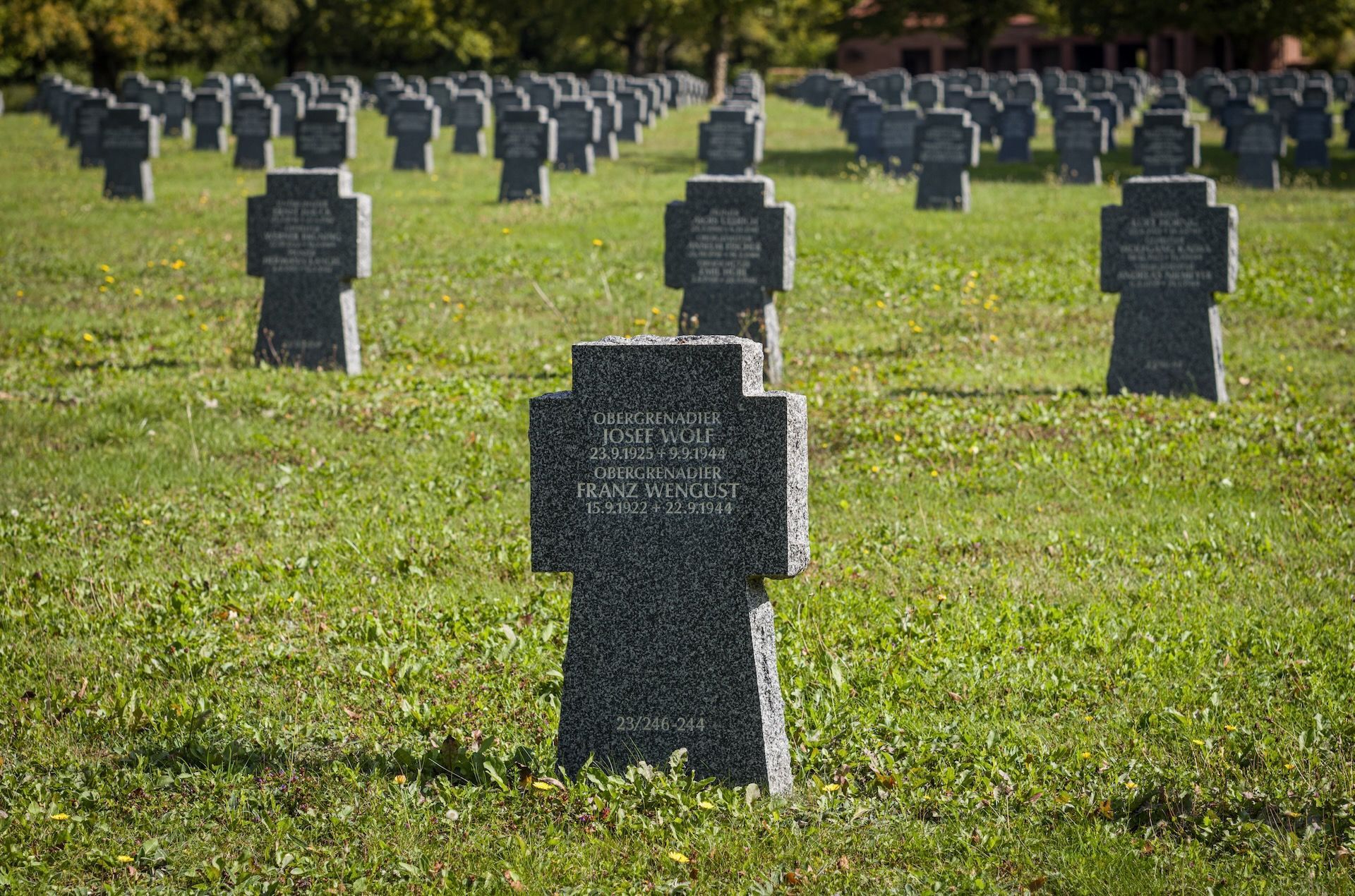
German Cemetery Andilly 7
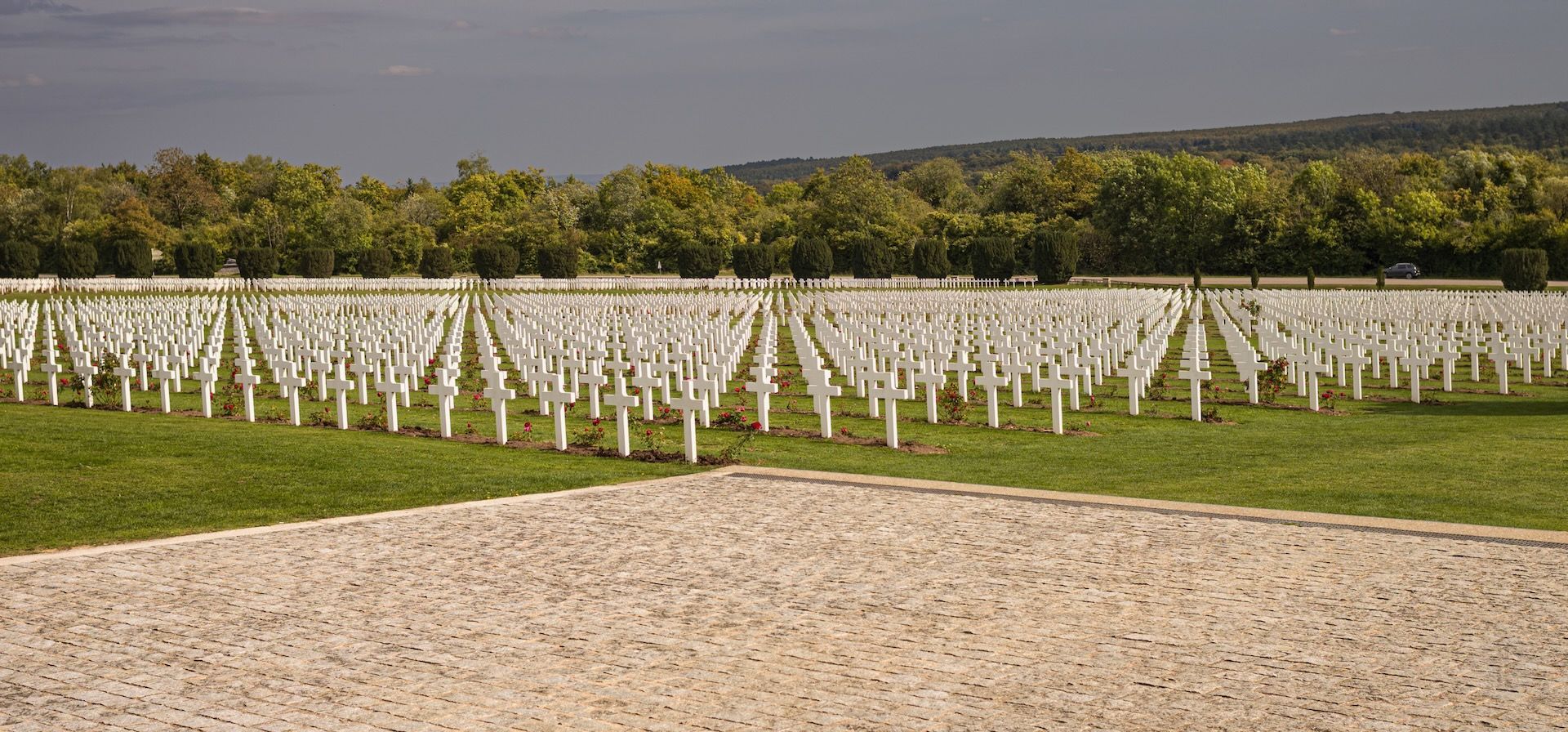
Ossuaire de Douaumont
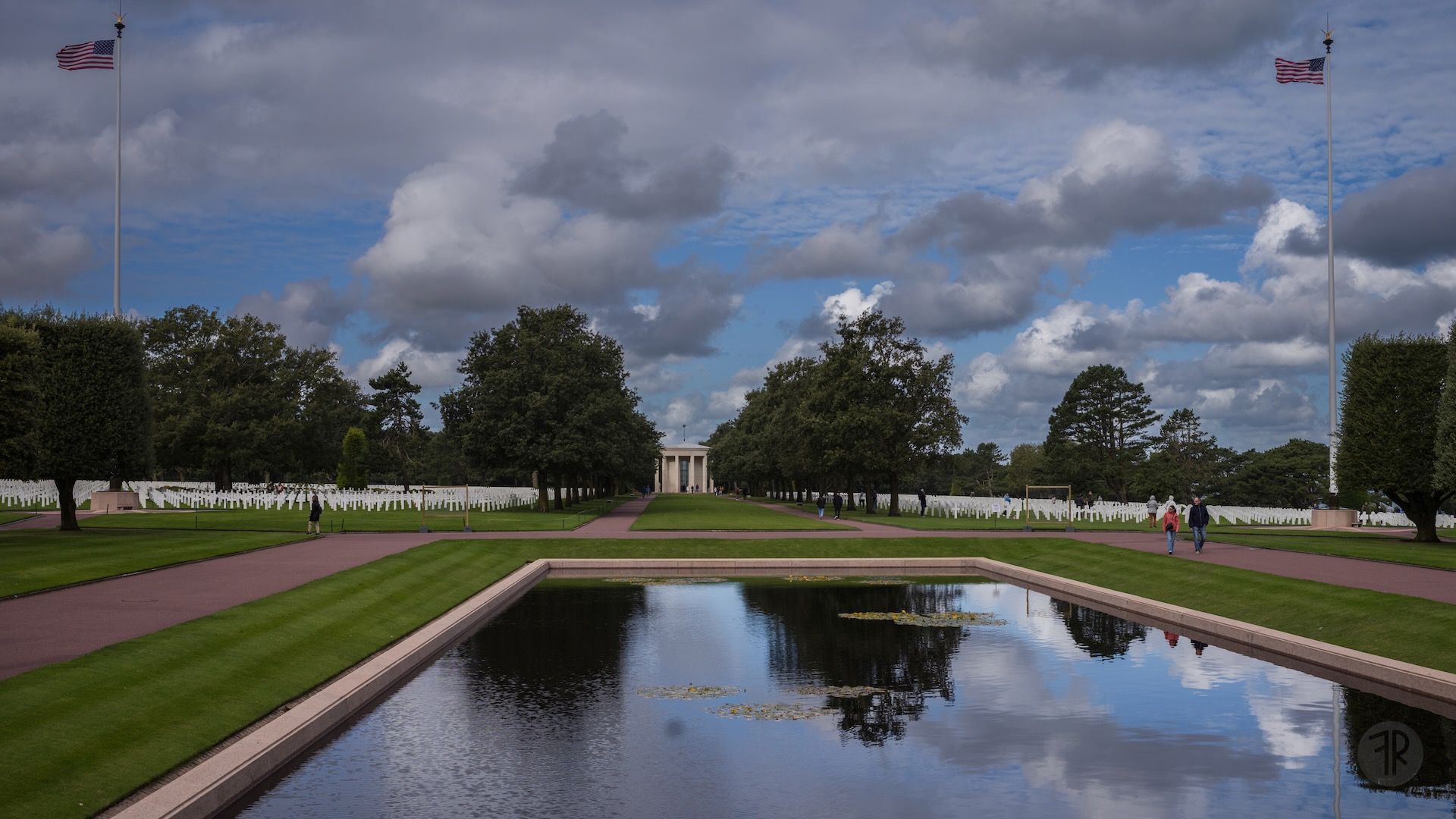
Normandy American Cemetery 1
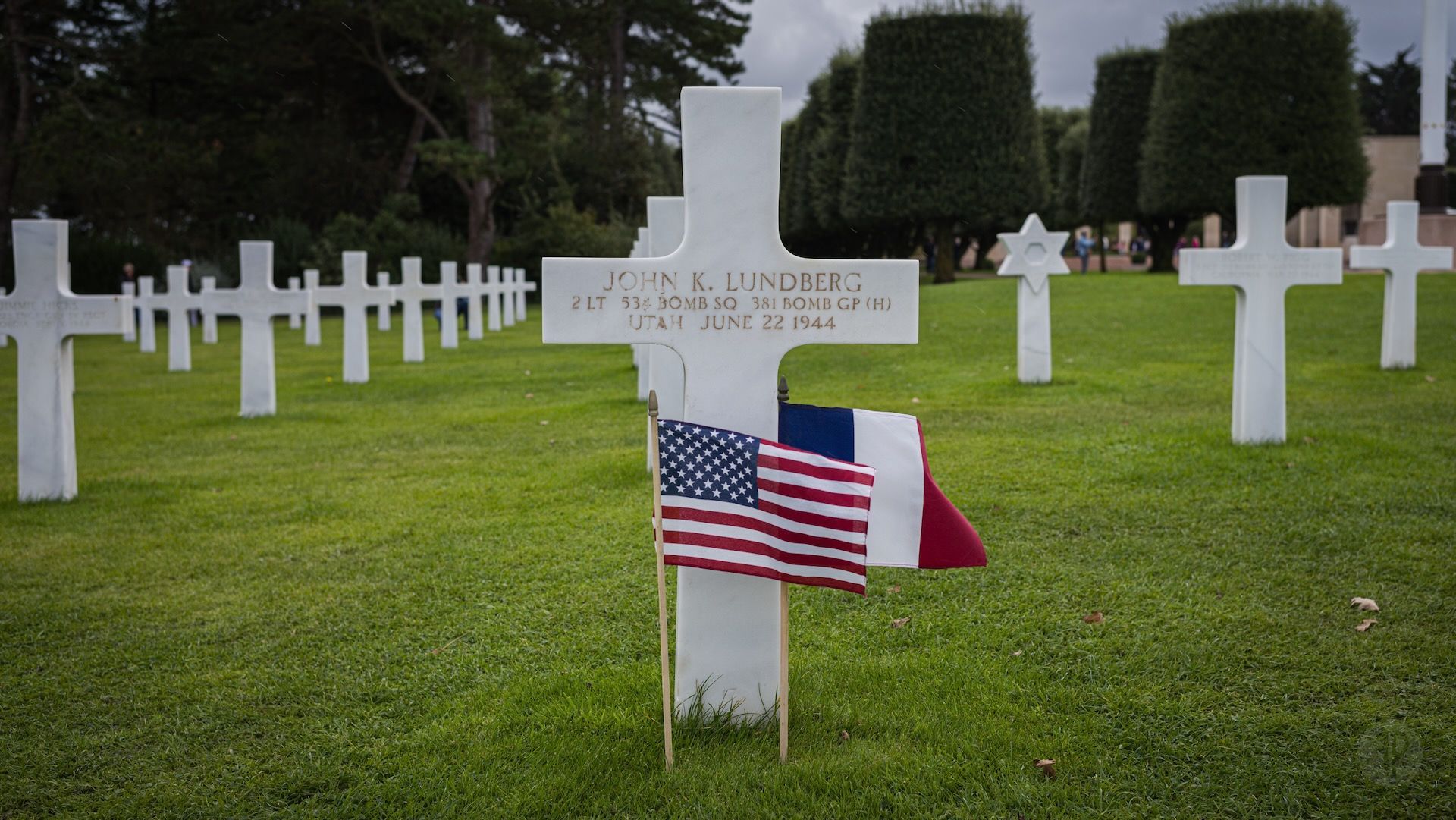
Normandy American Cemetery 2
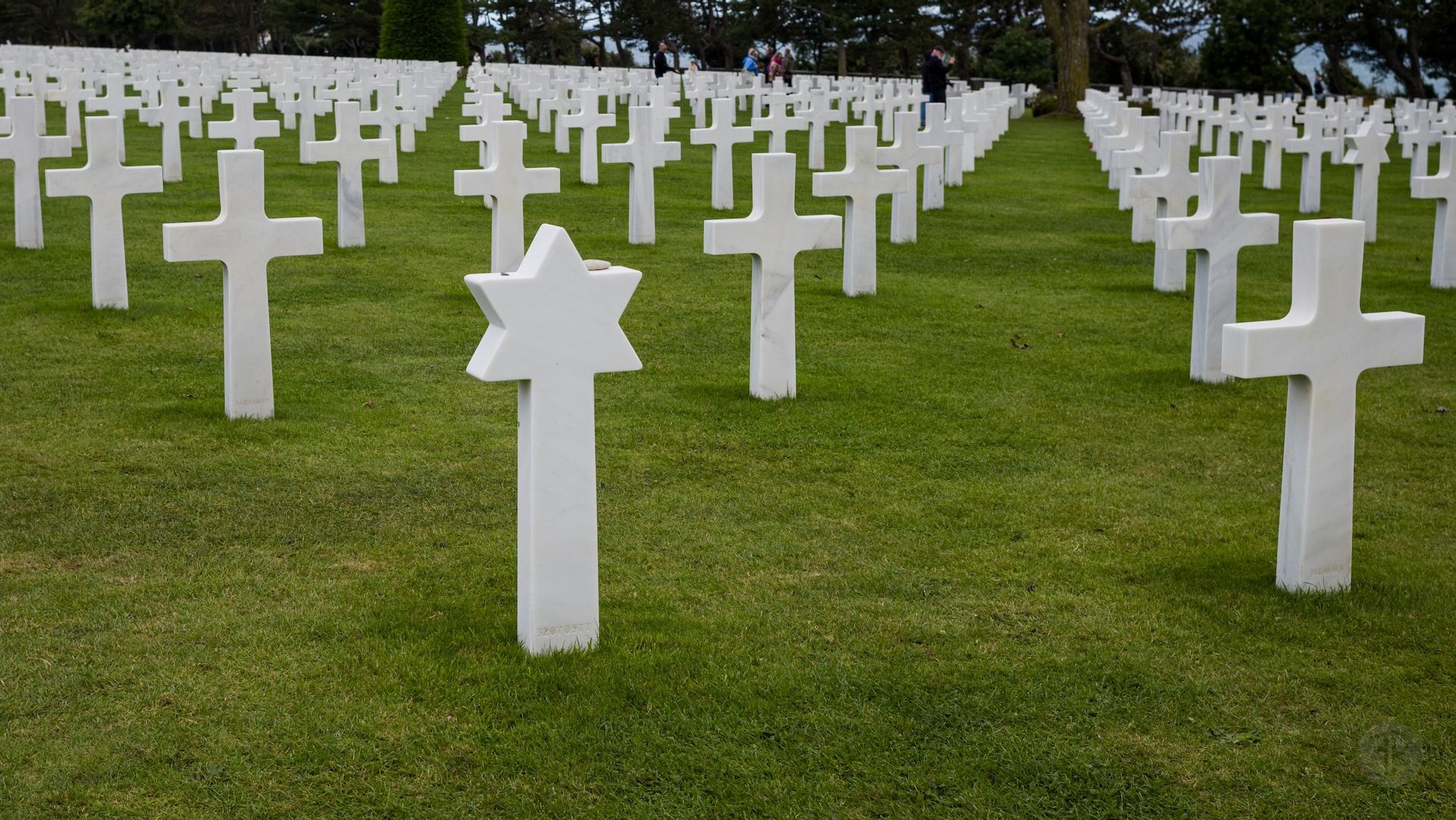
Normandy American Cemetery 3
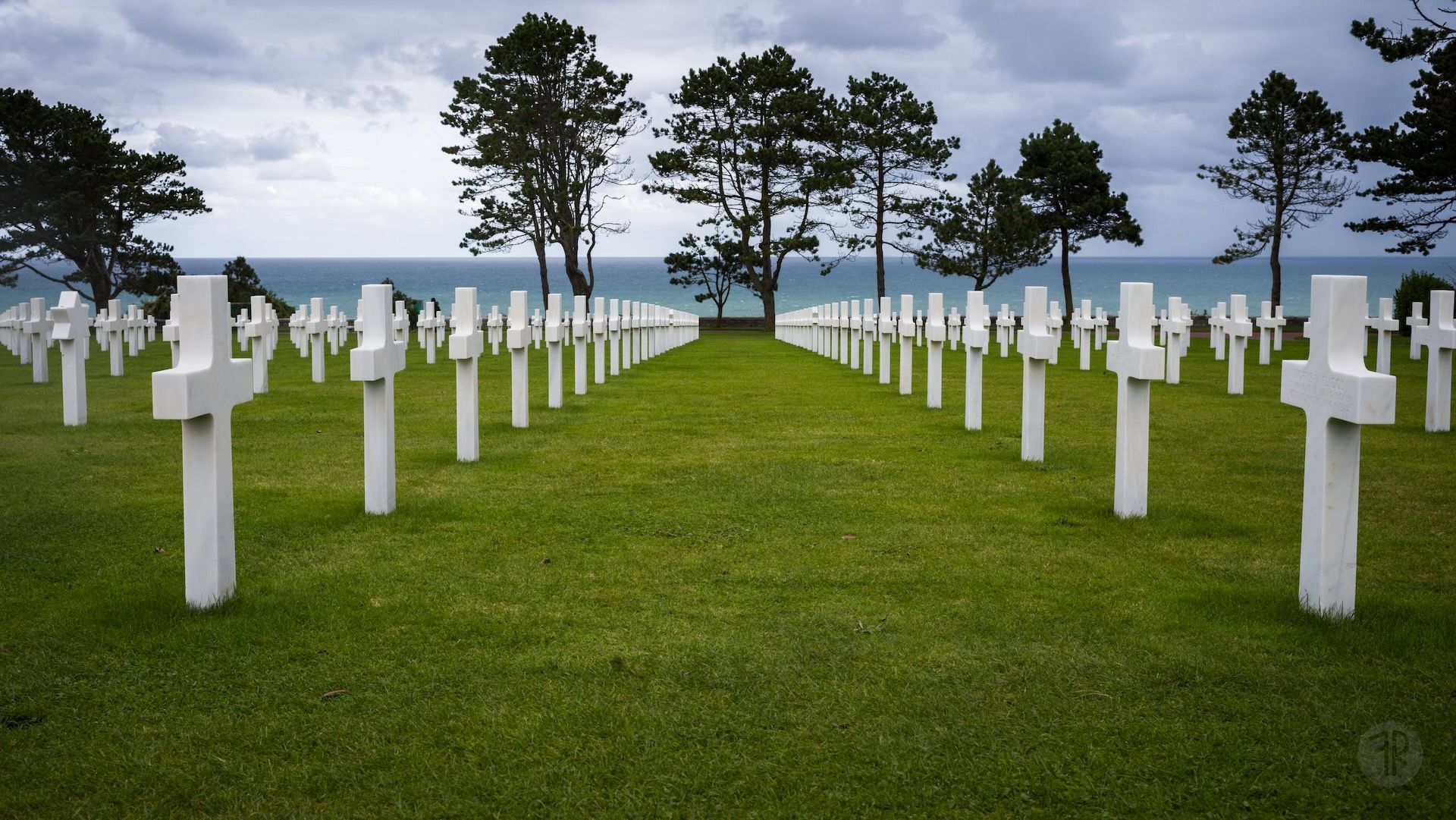
Normandy American Cemetery 4
Normandy American Cemetery 5
The same day I visited the Ossuaire de Douaumont. Here are kept the mortal remains of 130’000 soldiers fallen in the Battle of Verdun in WW1.
The forests around this place still hide numerous military constructions from both world wars.
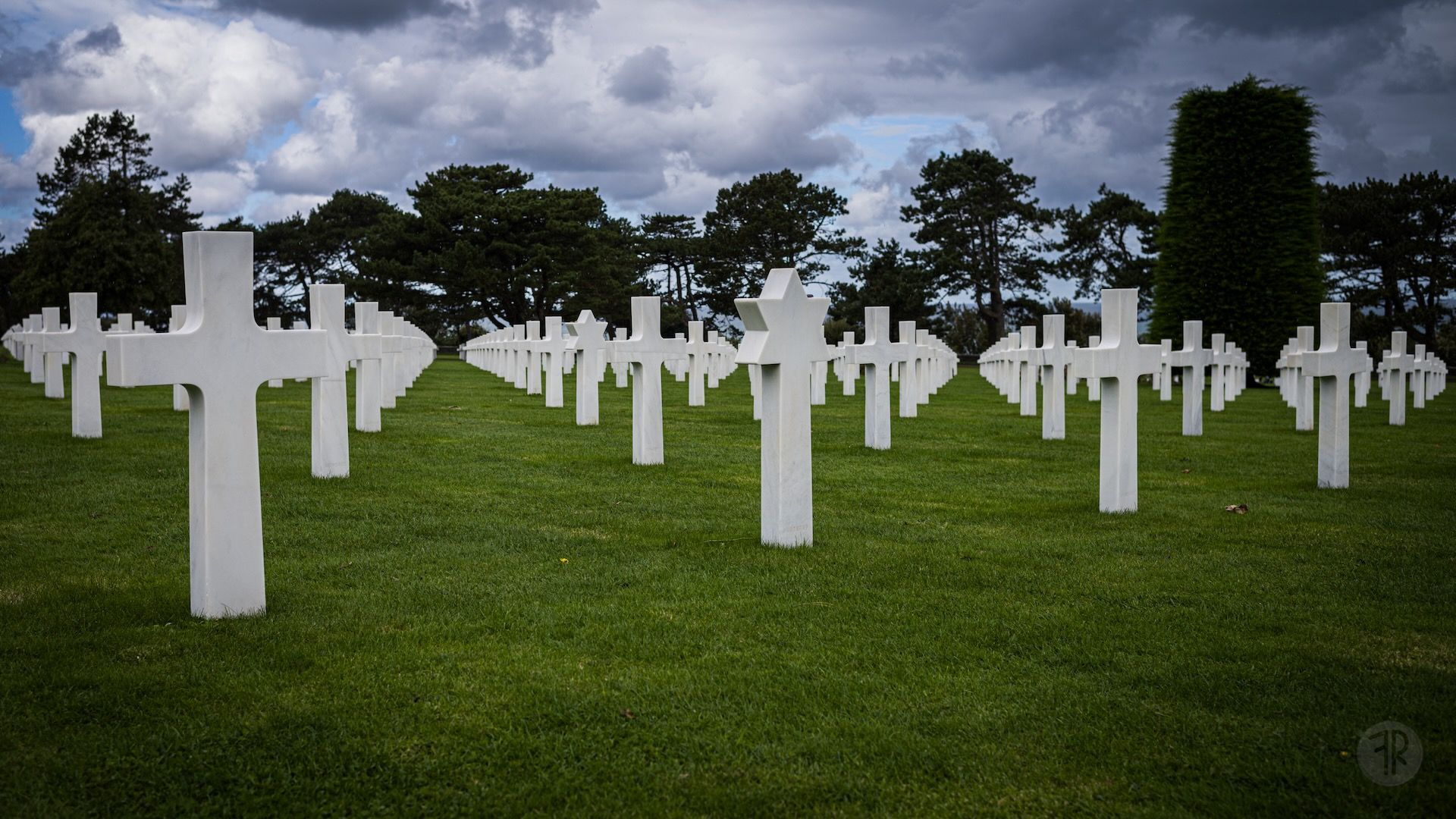
The last military cemetery was the famous Normandy American Cemetery just above Omaha Beach. It is well known from the movie Saving Private Ryan. This place with sea view has a vast surface for the more than 9000 buried souls.
It s touching to see that even more than 80 years later people come here to meet with their dead family members, leaving an American flag or some flowers at the white cross.
Another moving fact was that among the crosses were Stars of David for the fallen jews. It seems that most of the fallen soldiers were christians but to see in a wold of globally growing religious intolerance and conflict that people of different religion gave their lives together for the freedom of the world and then were even buried next to each other is in my eyes a strong message for humanity.
The visit of this military cemetery was the last during my journey. There are any others. And maybe I will go back one day to some of those and thank god for the decades of peace within which I could build my life until now.
I want to place on least thought here: The invasion on D-Day changed the fate of history and was the event that is for sure on of the the most important events that helped to free Europe from the Nazi Tyranny. I just think today we miss out that this was an enormous social sacrifice from the entire US and Canadian society. Of course the young men were not asked to go to war but the entire society had to bear the consequences for a war that was happening outside of their boundaries. Today we struggle to find support in our own society to recruit soldiers for our own safety.
The same day I visited the Ossuaire de Douaumont. Here are kept the mortal remains of 130’000 soldiers fallen in the Battle of Verdun in WW1.
The forests around this place still hide numerous military constructions from both world wars.
The last military cemetery was the famous Normandy American Cemetery just above Omaha Beach. It is well known from the movie Saving Private Ryan. This place with sea view has a vast surface for the more than 9000 buried souls.
It s touching to see that even more than 80 years later people come here to meet with their dead family members, leaving an American flag or some flowers at the white cross.
Another moving fact was that among the crosses were Stars of David for the fallen jews. It seems that most of the fallen soldiers were christians but to see in a wold of globally growing religious intolerance and conflict that people of different religion gave their lives together for the freedom of the world and then were even buried next to each other is in my eyes a strong message for humanity.
The visit of this military cemetery was the last during my journey. There are any others. And maybe I will go back one day to some of those and thank god for the decades of peace within which I could build my life until now.
I want to place on least thought here: The invasion on D-Day changed the fate of history and was the event that is for sure on of the the most important events that helped to free Europe from the Nazi Tyranny. I just think today we miss out that this was an enormous social sacrifice from the entire US and Canadian society. Of course the young men were not asked to go to war but the entire society had to bear the consequences for a war that was happening outside of their boundaries. Today we struggle to find support in our own society to recruit soldiers for our own safety.
switch to gallery:
Traces of War Blockhaus d'Eperlecques & Todt Battery - Traces of War TheFallen- New York City - Emptiness - Rome- Port Laois - London - Scotland - Giant's Causeway - Ireland - Mont Saint Michel -Istanbul
Yalvac and surroundings
-
The bridge -
Roadmen -
Live Concert -
London in 40 hours -
Røros Copperworks